




5 BFCM Postcards That Crushed It (and Why They Worked)
Every high-performing BFCM postcard shares a structure: a tightly defined segment, one clear offer, and a reason to act now.
Everything else is decoration.
Here are five real cards from real BFCM campaigns, top of funnel to bottom, with the results to match.
Steal the structure. (The luggage puns are ours.)
1. HexClad Cooks Up Customers from Scratch
The prospecting drop
HexClad went prospecting during the most expensive shopping season of the year.
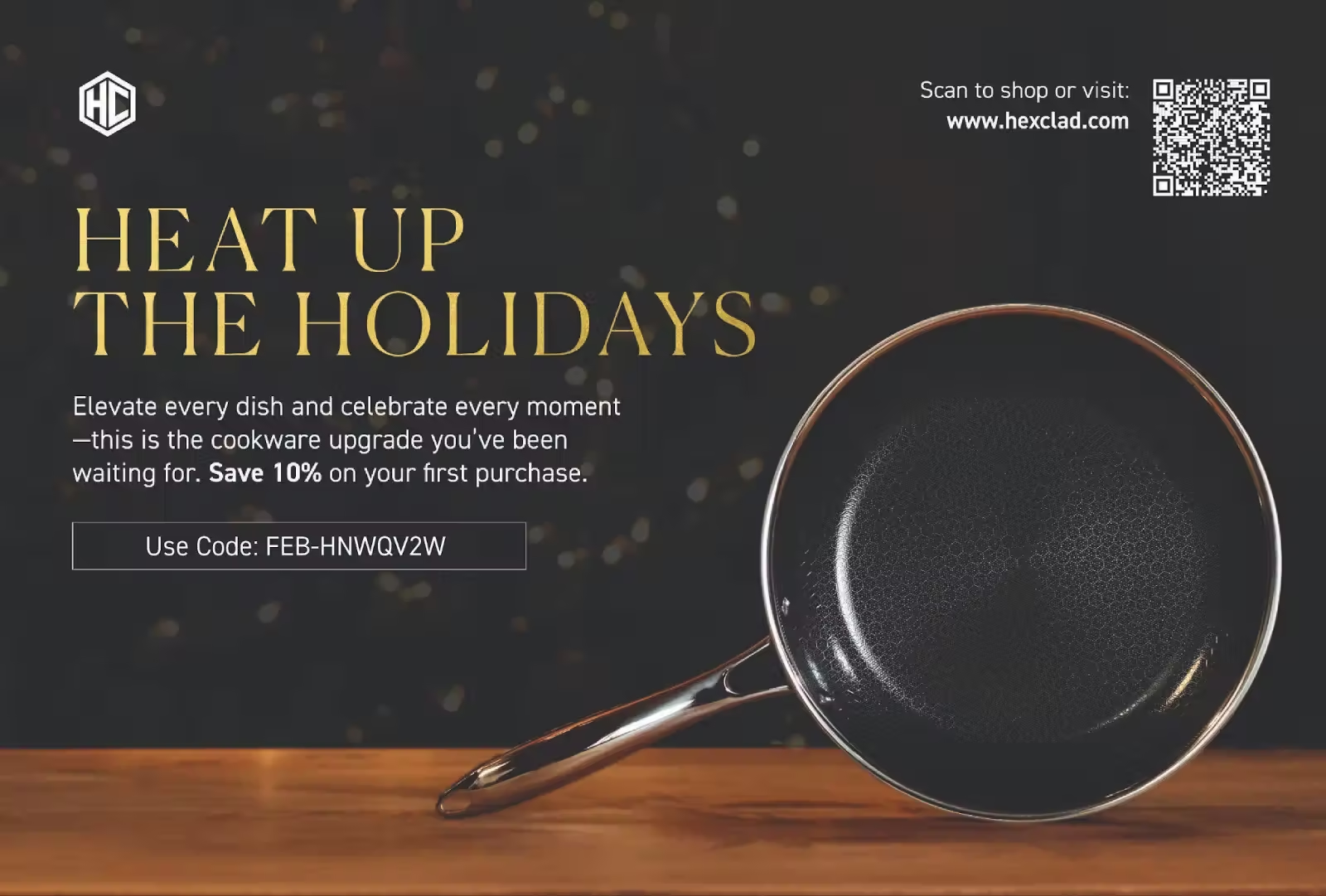
The safety net was targeting: AcquisitionAI, PostPilot's self-learning lookalike engine, modeled their best customers and built the prospect list, and a 6x9 postcard hit those mailboxes right as holiday shopping kicked off.
Results
5.12x holdout-tested iROAS on cold prospecting. And when HexClad re-sent the same card to the previous year's one-time BFCM buyers, that holdout-tested segment drove an 8.05x iROAS.
Why it worked: the targeting did the heavy lifting. When the model ranks people who already look like your buyers, a great card just has to close.
2. Mini Katana Cuts Through Inbox Noise
The MailMatch™ subscriber card
Mini Katana's viral TikTok and YouTube engine (300+ million views a month) fills their email list faster than email can convert it: 500,000 new subscribers in six months, most of them low-intent and allergic to promotional sends.
So the brand runs MailMatch™, which matches a subscriber's email to a physical address, and follows the signup with a postcard carrying a discount code and some appropriately dramatic sword flair.
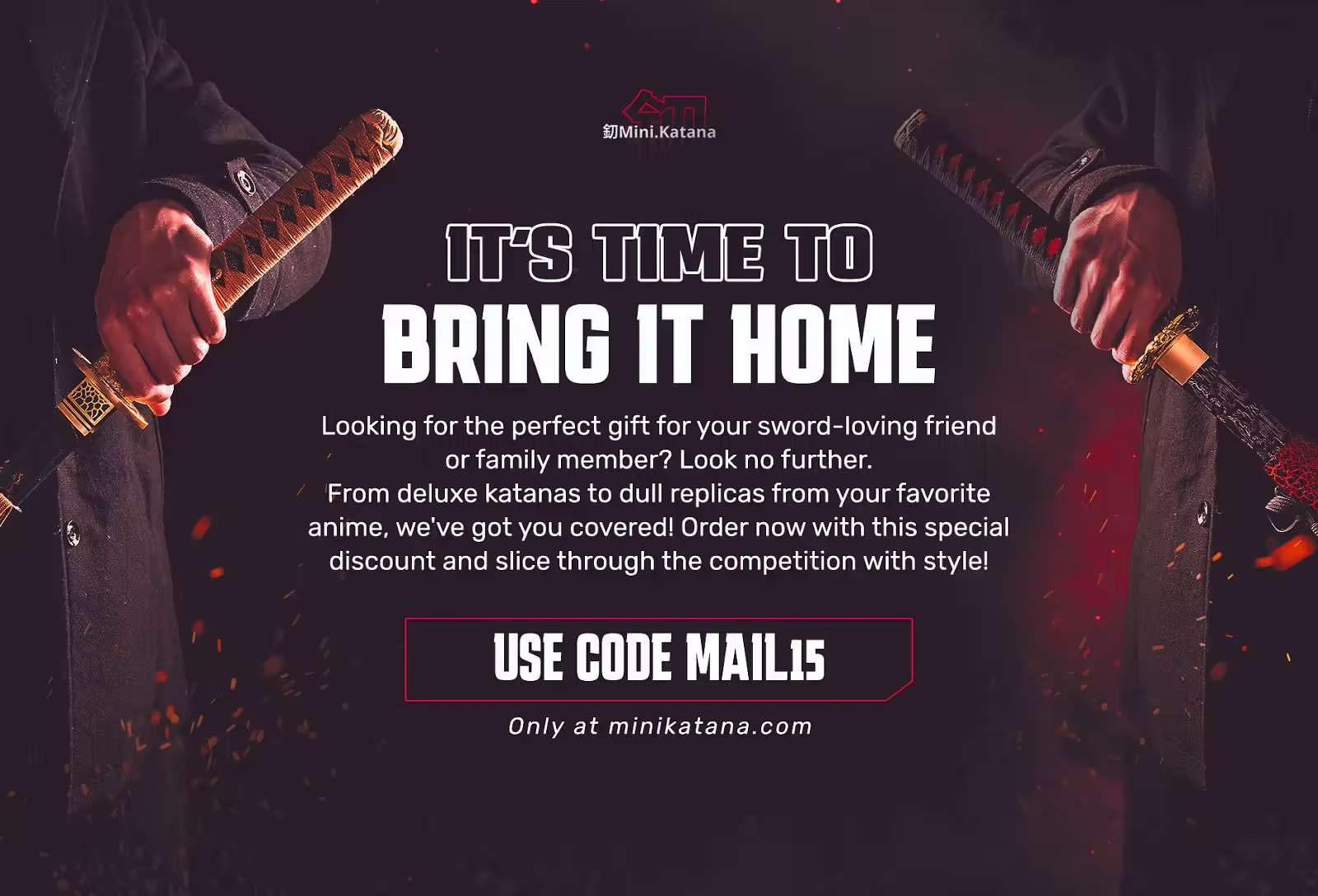
Results: The always-on subscriber campaign generates a 5x+ ROAS, from people who weren't opening email at all.
Why it worked: the postcard reaches every subscriber, including the majority who ignore marketing email. Run as an automation, it follows each new signup while brand interest is fresh, which is exactly the mechanic you want when BFCM ad spend floods your list.
3. Travelpro Carries Abandoned Checkouts Over the Line
The flow-extension card
Travelpro's BFCM prospecting on Meta produced the usual byproduct: a pile of abandoned checkouts.
Their retention partner BMO Media added a postcard to the end of the abandoned checkout Klaviyo flow, so anyone email couldn't close got a physical reminder instead. Luggage is a high-consideration purchase.
A card that hangs around the house matches how people actually decide.

Results
15x+ ROAS on checkout abandonment cards, with the matching welcome-flow card adding 13.79x ROAS.
Why it worked: the flow logic already existed in Klaviyo. The card simply extended it beyond the inbox, catching the high-intent shoppers email had already lost.
4. Pourri's Results Didn't Stink
The past-buyer holiday offer
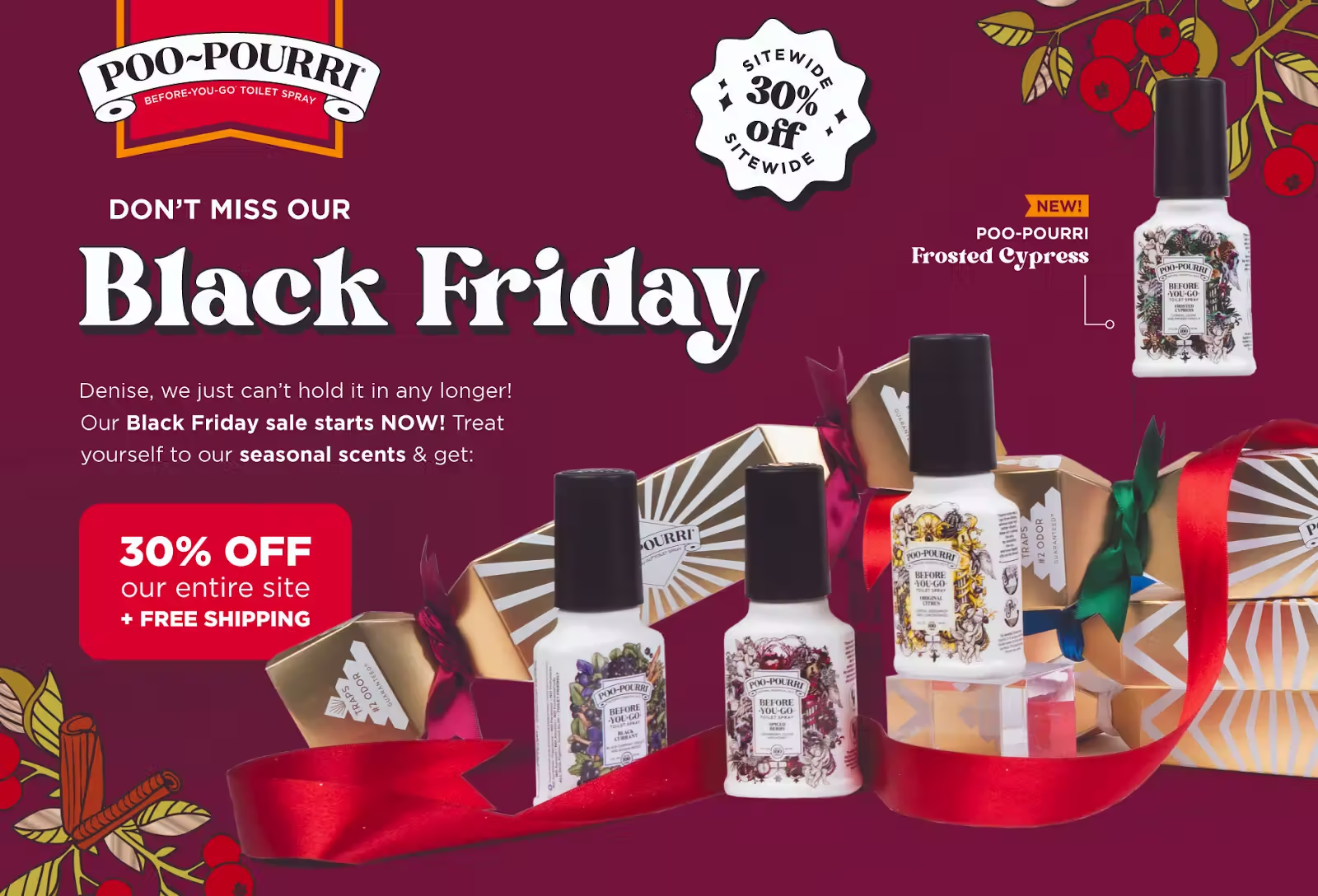
For their first-ever PostPilot campaign, Pourri (yes, the Poo-Pourri folks) mailed past buyers ahead of Black Friday with a stacked offer: 40% off holiday bundles, 30% off sitewide, a QR code straight to the site, and a coupon expiration date to force the decision.
Results
The card became Pourri's best-performing channel on Black Friday, driving roughly a 10% incremental lift in DTC revenue at a 4.5x blended ROAS across segments.
Why it worked: urgency plus a strong offer, sent only to people with purchase history. When your product is $10, November ad auctions are brutal math. A postcard to proven buyers skips the auction entirely.
5. Promix Brings "Lost" Customers Home
The unreachable winback
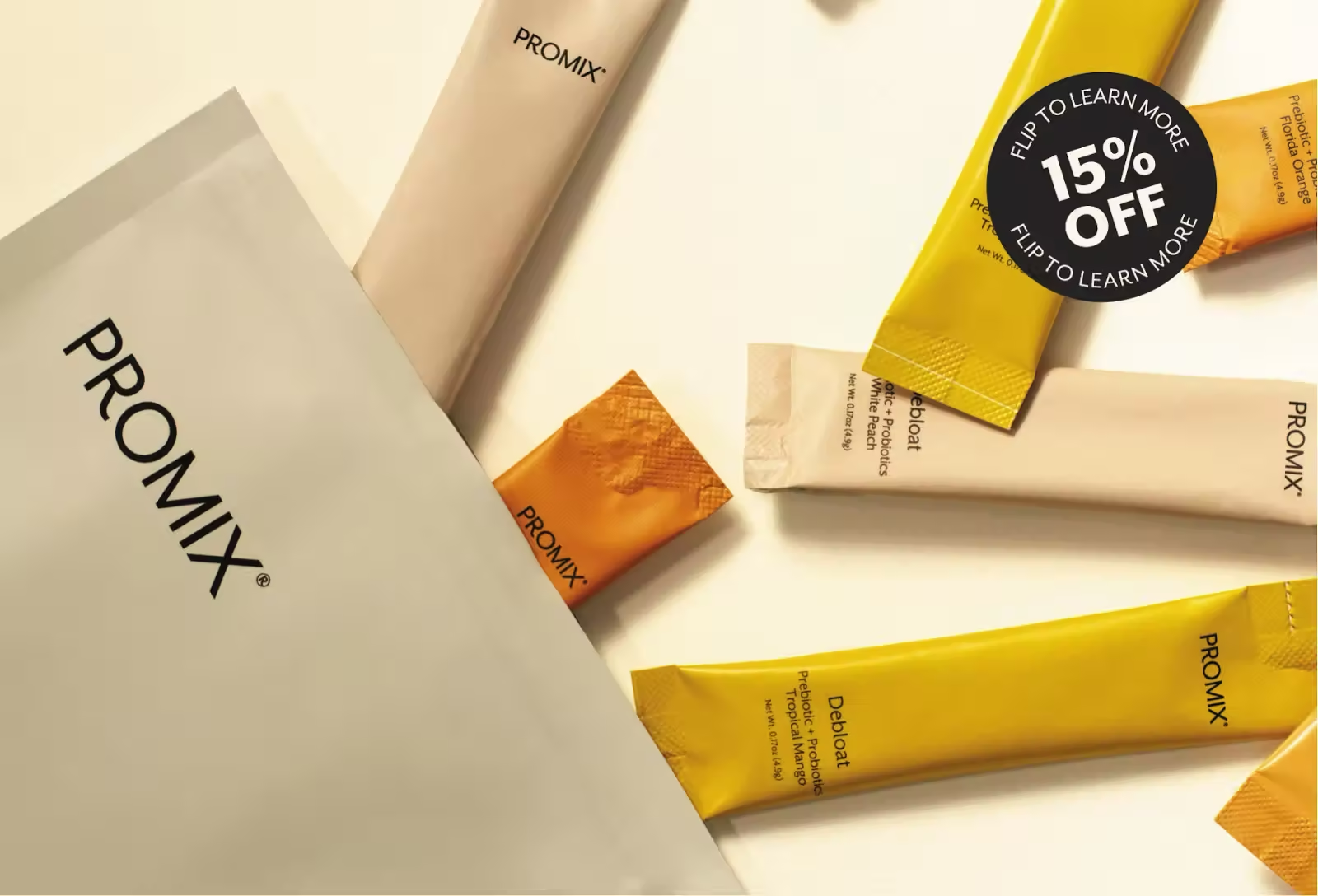
Direct mail’s superpower: reaching the otherwise unreachable. Sending postcards to buyers who unsubscribed from email 30–60 days ago.
Added bonus: the targeted customers here only purchased once, so these one-time buyers are now multibuyers.
Results
20x ROAS (!). Yes, really.
Why it worked: When customers literally could not see Promix's messaging, direct mail swooped in.
What These Five Cards Have in Common
Five cards, five different funnel stages, one pattern. Each one targeted a tightly defined segment. Each one made a single offer with a clear next step. Each one used BFCM's inbox chaos as an advantage, showing up in the one channel that gets quieter while everything else gets louder. And the best of them proved it with holdouts, so the iROAS numbers above are measured incrementality.
Your BFCM version of these cards starts with segments you already own. PostPilot handles the matching, the sending, and the holdout testing.
Book a demo while there's still runway before the season.
BFCM Postcard FAQs:
What makes a BFCM postcard convert?
A tight segment, one clear offer, and urgency (an expiration date or a limited window). The strongest performers above paired those with a funnel-specific message: welcome cards for non-buying subscribers, reminder cards for checkout abandoners, offer cards for lapsed buyers.
Is direct mail worth it during BFCM when everyone's discounting?
That's exactly when it's worth the most. Email and paid social saturate in November while mailboxes stay comparatively empty, which is why campaigns like Pourri's outperformed every digital channel on Black Friday itself.
How do I know the postcard drove the sale and not something else?
Holdout testing. Withhold a random control group, mail everyone else, and compare. The difference is your incremental revenue, reported as iROAS. That's how HexClad and Travelpro validated the numbers in this post.